Digital / Paper - E2E Pantographs
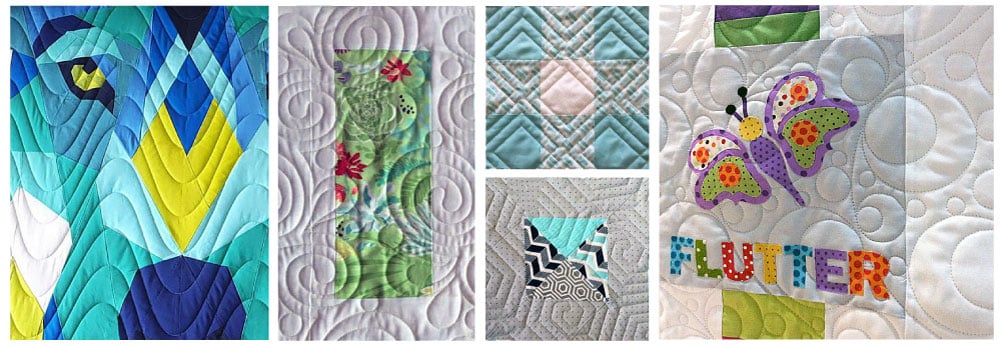
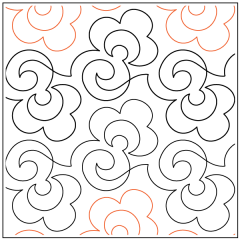
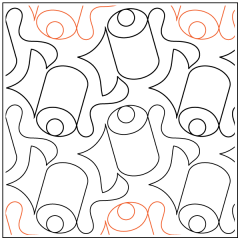
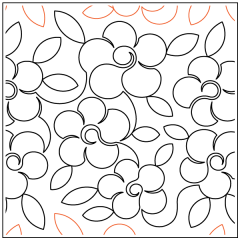
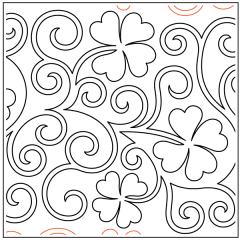
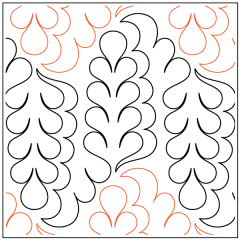
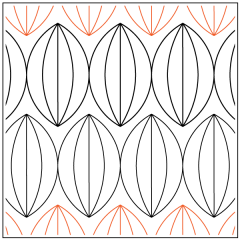
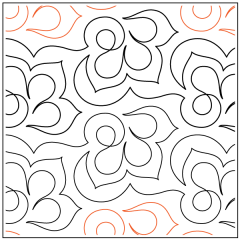
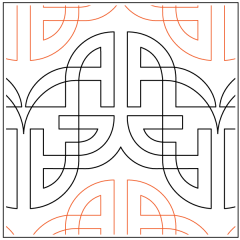
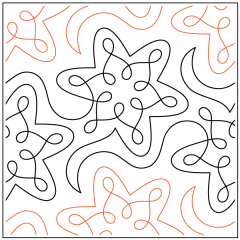
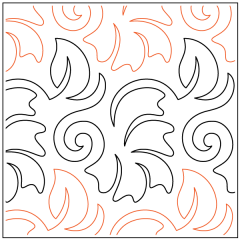
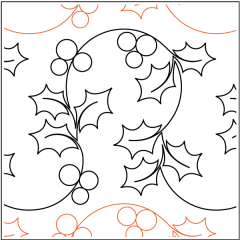
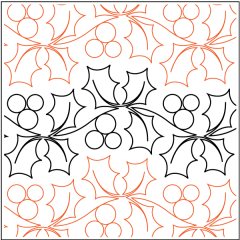
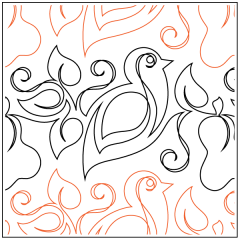
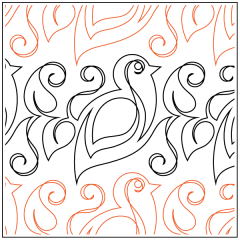
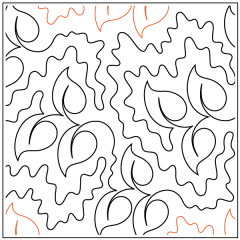
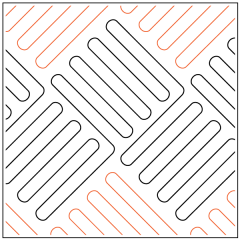
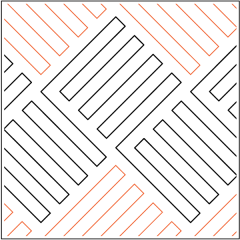
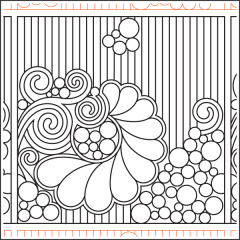
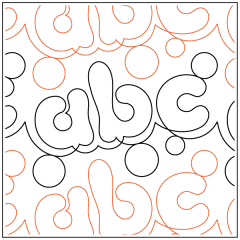
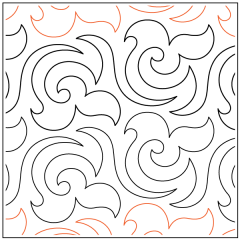
The pantographs pictured above are as follows (left to right) - Sound Wave, Marmalade, Diagonal Plaid (top), Honeycomb (bottom), and Lather, Rinse, Repeat.
PAPER PANTOGRAPHS are usually printed with one or two full rows, and with partial rows for the next row line-up.
DIGITAL (computerized quilting systems): Zip file includes:
BQM, CQP, DXF, HQF, IQP, PAT, QLI, SSD, TXT, WMF, PLT, DWG, GPF, PDF, PNG and SVG.
NOTE:
E2E (edge to edge) designs are continuous line pantograph / border / sashing designs.
P2P (point to point) are E2E designs that have the start and stop points at the outer most edges of the design. There is no interlock side to side on P2P designs, but there may be an interlock top to bottom.
B2B (border to border) are E2E designs that have the start and stop points at the outer most edges of the design, AND the design will completely fill the space top to bottom. There is no interlock side to side OR top to bottom on B2B designs.
SELF PRINT ™ designs are intended for longarm quilters, and are set up to be printed on 8.5" x 11" paper on any home printer.
TEAR AWAY® designs are intended for both domestic and longarm quilters. Just place, quilt and Tear Away.
EMBROIDERY (computerized embroidery systems): Zip file includes: ART, DST, EXP, HUS, JEF, PDF, PES, VIP, VP3 and XXX
For more information: Check out our YouTube VIDEOS at https://www.youtube.com/user/urbanelementzdesigns